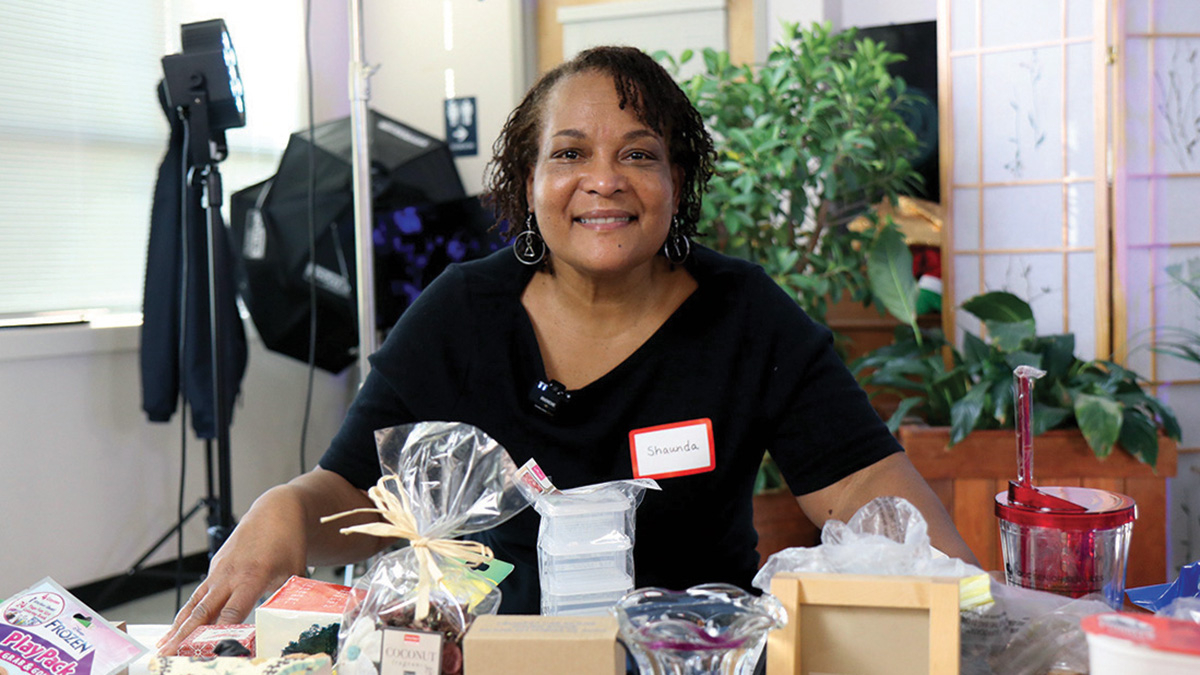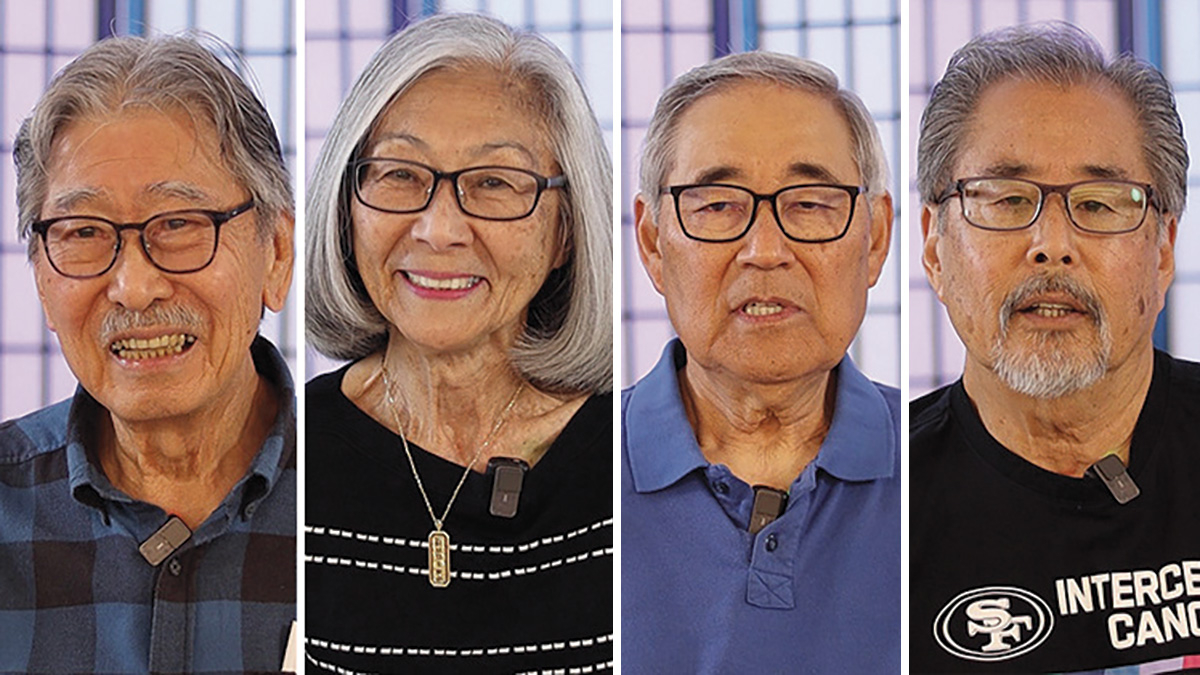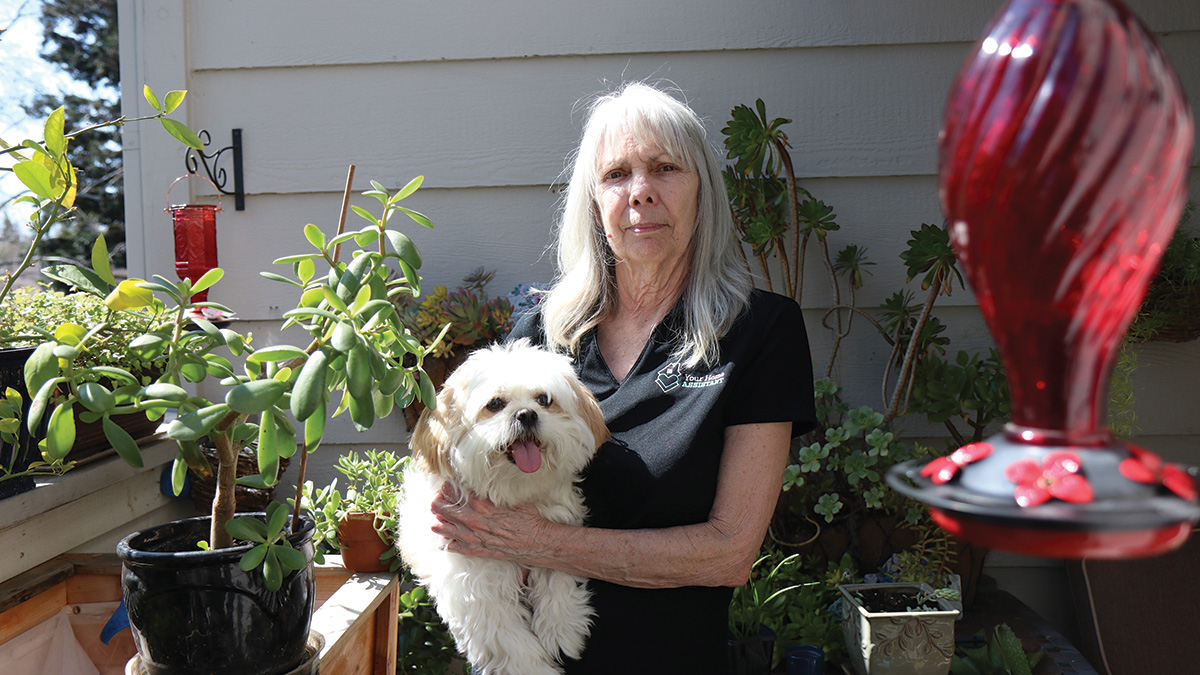
In 2016, Donna Fontenot left her job as a social worker after 21 years. “I had post-traumatic stress disorder,” she says. “I lost so much; I had to heal when I got to Sacramento.” In 2017, she came to the SCSEP program at ACC to retrain for another career.
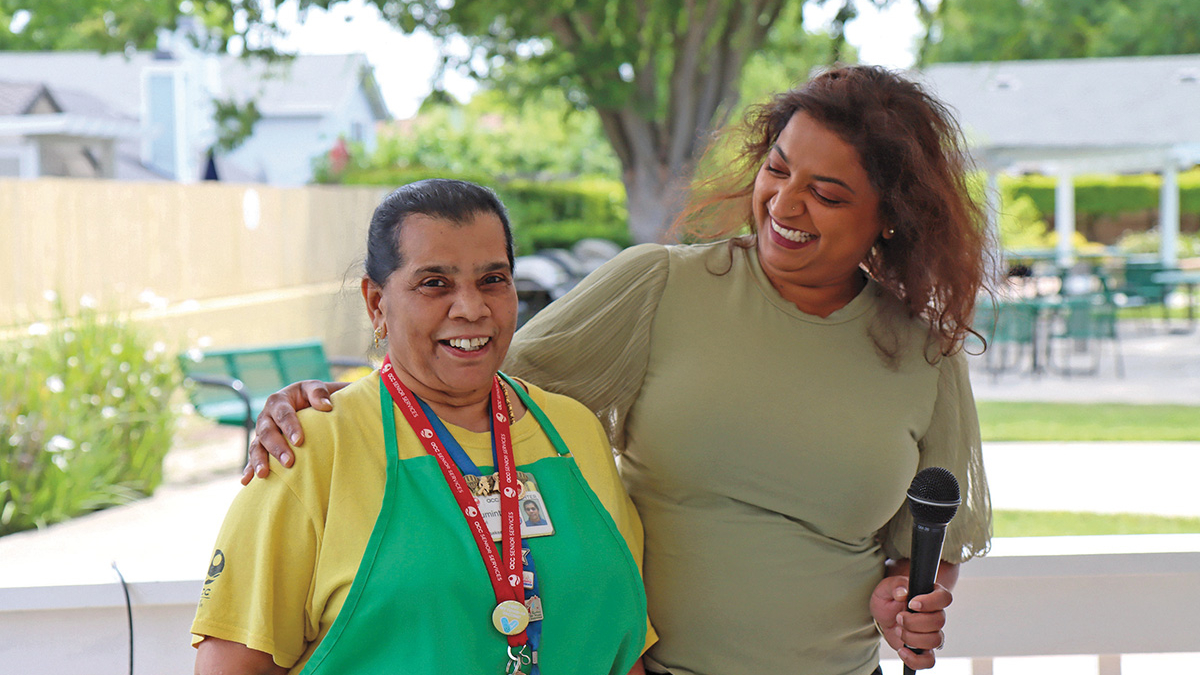
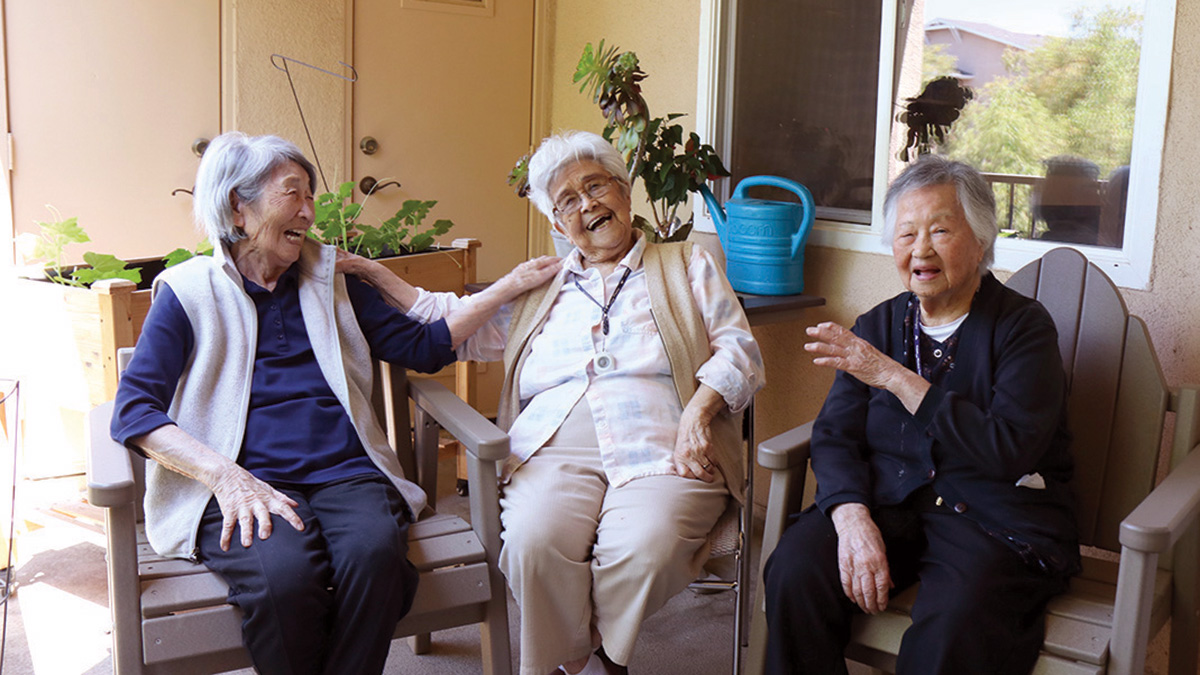
Judy Fong’s husband Gary passed away a couple of years ago, and it was an adjustment. She had been his caregiver for years and had lived her life for him. Now she had lost her companion, her confidant, and being single changed the way she interacted with others. Judy stayed home, feeling sad and alone. ACC Rides and ACC’s Lifelong Learning and Wellness helped Judy get back on her feet.
Donna and Judy are fortunate. They knew intuitively that their social and economic well-being had a huge impact on their physical and mental health. It’s also what healthcare providers know, but too often they have little control over what happens to their patients outside of their office.
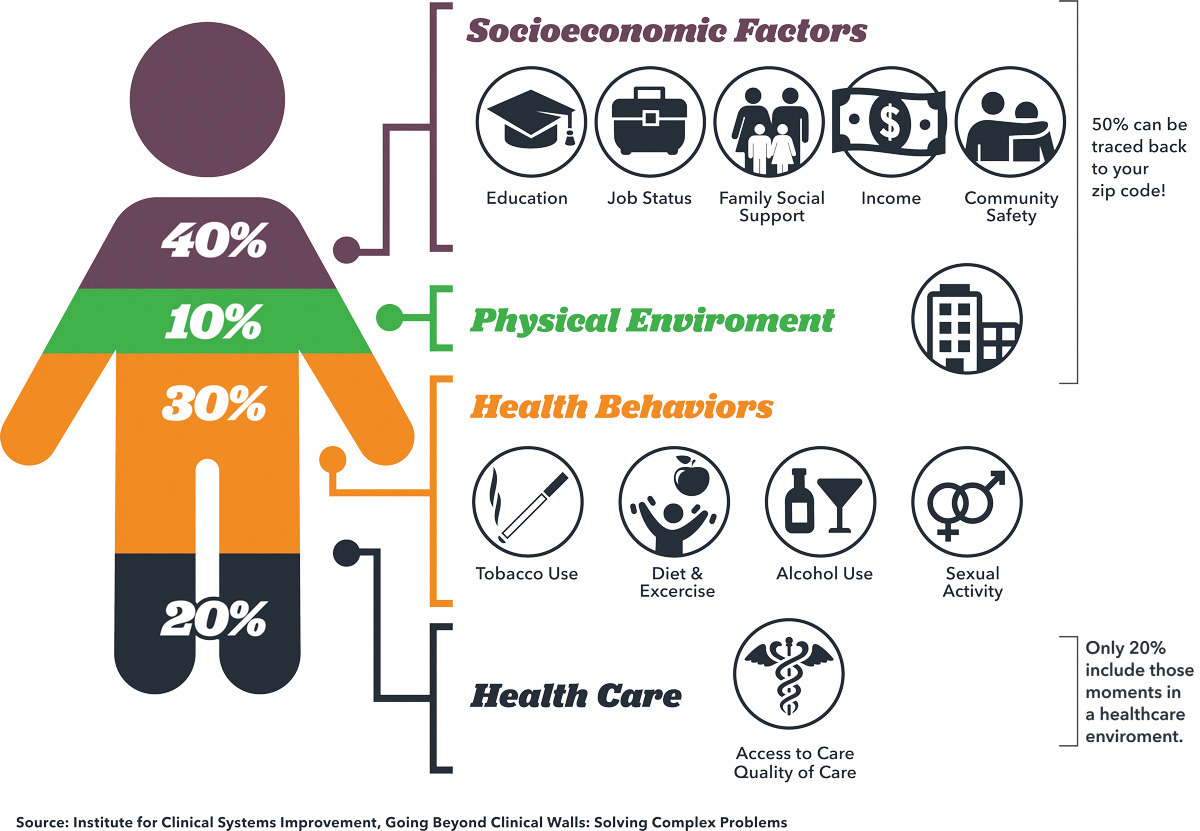
Many studies have shown that up to 80% of a person’s health outcomes is attributed to social, economic and environmental factors while only 20% is attributed to clinical medical care. These non-medical factors are known as Social Determinants of Health (SDOH). They include transportation, food, housing, income, social support, and education. Often, they overlap or interact to influence a person’s health status: the number of bus transfers a person needs to take to buy groceries, fill a prescription, or get to their doctor’s office. Do they have enough money to pay for food, heating, air conditioning, or pest control? If they are a sole caregiver for someone, the problem gets worse.
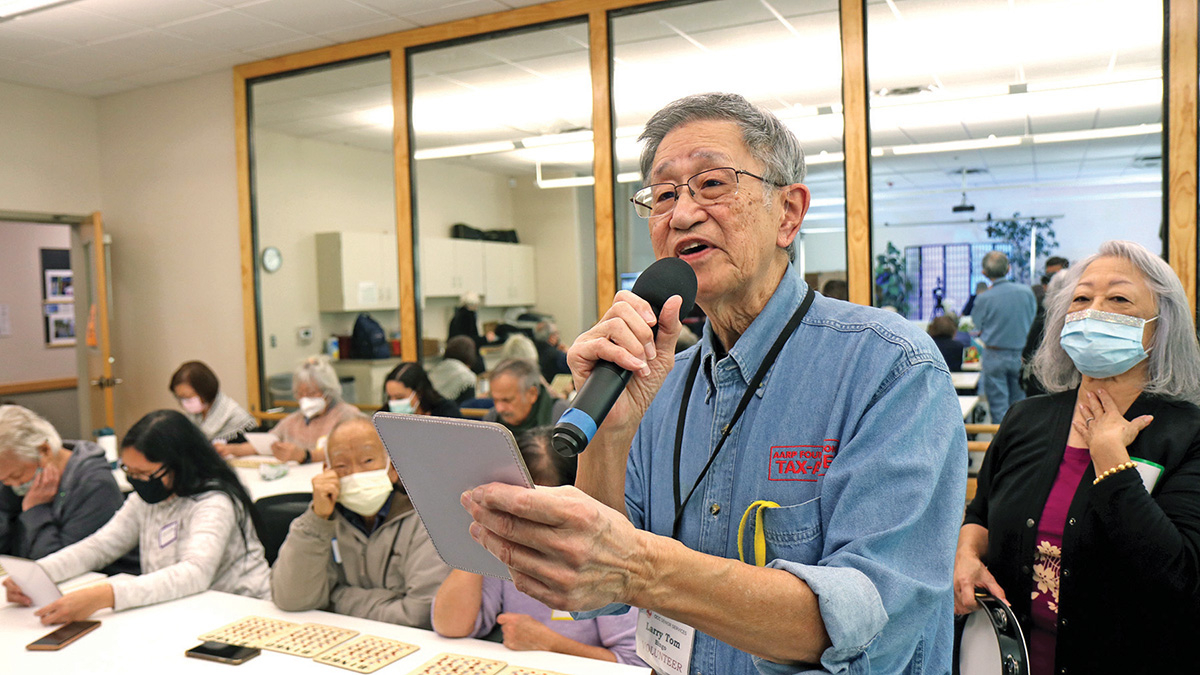
Judy understands the interplay of these kinds of non-medical conditions, and the effect they have on a person’s well-being, too. She took care of her husband who was on dialysis and he later had a heart attack. During this ordeal, “ACC was a lifesaver.” Judy used ACC Rides five times a week to get Gary to dialysis and other appointments. It was so much easier than using Paratransit, which required long waits; and it was much more affordable than calling Lyft. But most importantly, the drivers were nice and caring and became trusted friends. Talking to to the drivers became the highlight of their day. “When you’re sick, not too many people come around. They don’t know what to say or they feel uncomfortable,” says Judy. Socializing with the drivers gave Gary and Judy a strong feeling of support. Today, Judy visits ACC two times a week, sometimes more. Friday Bingo is her favorite activity and she has made a new group of friends. “I learned that I could stay at home and look at the four walls, or I can go out and do something, learn something,” she says.
Donna Fontenot, like so many other SCSEP job-seekers, credits ACC with helping her achieve economic stability. She now works for the Department of Public Health and is a certified life coach on the side. “At ACC, not only me, but all the other seniors who came through SCSEP sharpened their skills and became better at who they are.”
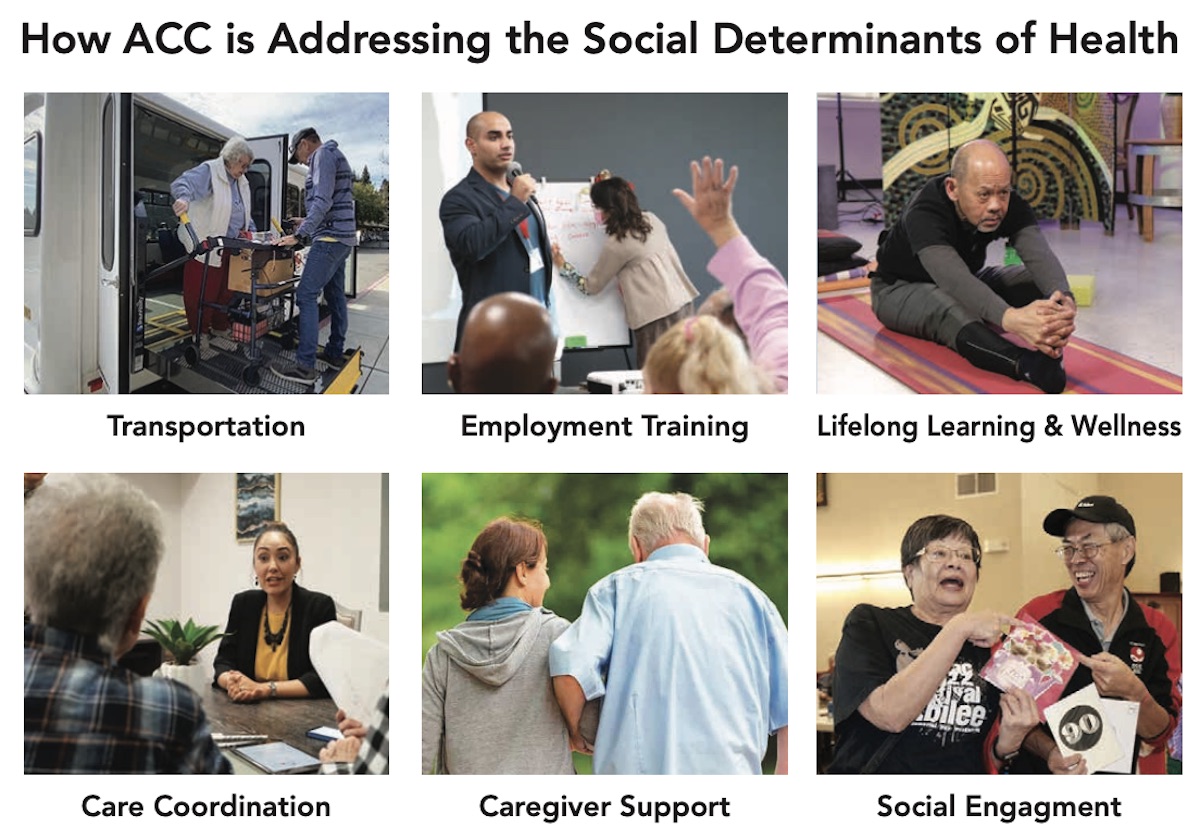
In recent years, the Centers for Medicare and Medicaid Services (CMS) has recognized the power of SDOH in improving people’s health status, reducing health disparities in vulnerable populations, and lowering overall costs for all. New policies that cover non-medical interventions like transportation, home-delivered meals, health and fitness classes, housing access, employment supports, and activities that improve social support represent the gradual shift CMS is making from a fee-for-service model that rewards the quantity of medical services delivered, towards value-based care that makes health plans and providers accountable for better health outcomes. In other words, CMS is now encouraging health plans and providers to treat and hopefully prevent diseases by tackling SDOH like poverty and loneliness. Ultimately, that will save money and have the greatest impact on the health of our communities.
Meals on Wheels by ACC (MOW) has been doing this for years. MOW serves more than 2,000 meals a day to underserved people in Sacramento County and provides a lifeline to nutrition and social interaction. MOW delivery drivers, many of them volunteers, form lasting friendships with their participants and get them extra resources and help when needed.
“The evidence is clear: social determinants of health, such as access to stable housing or gainful employment, may not be strictly medical, but they nevertheless have a profound impact on people’s well-being,” says past CMS Administrator Seema Verma in a CMS press release. “Patients are more than a bundle of medical diagnoses, and it’s time our healthcare system treated them as such.”
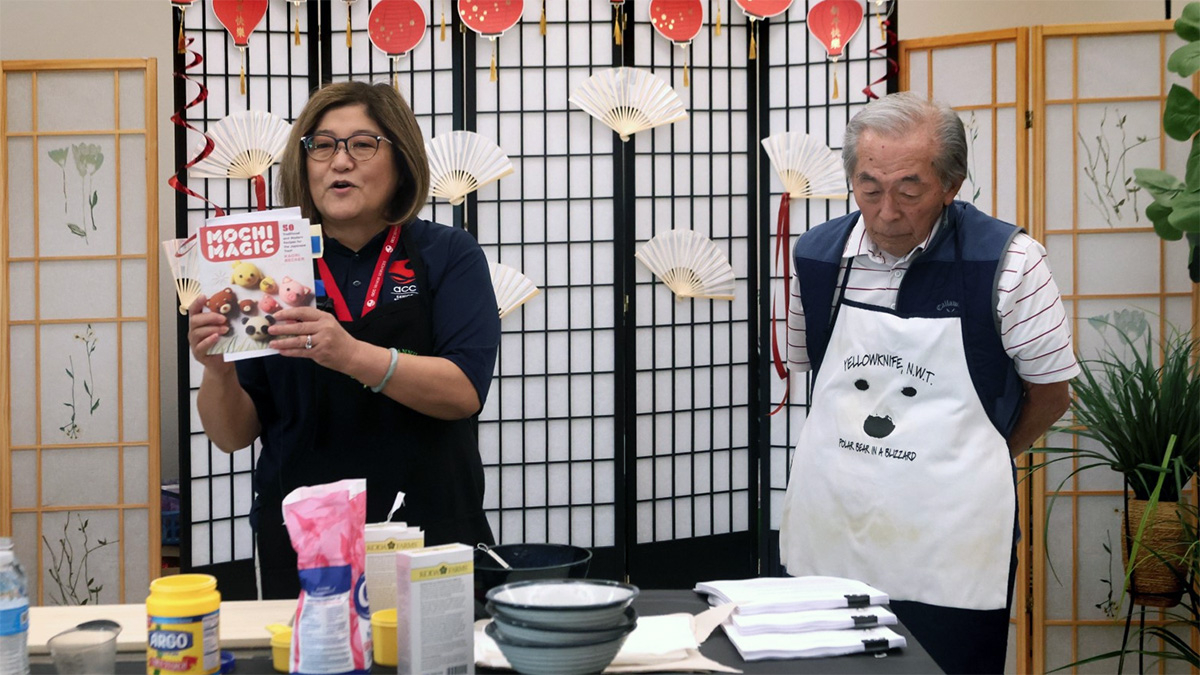
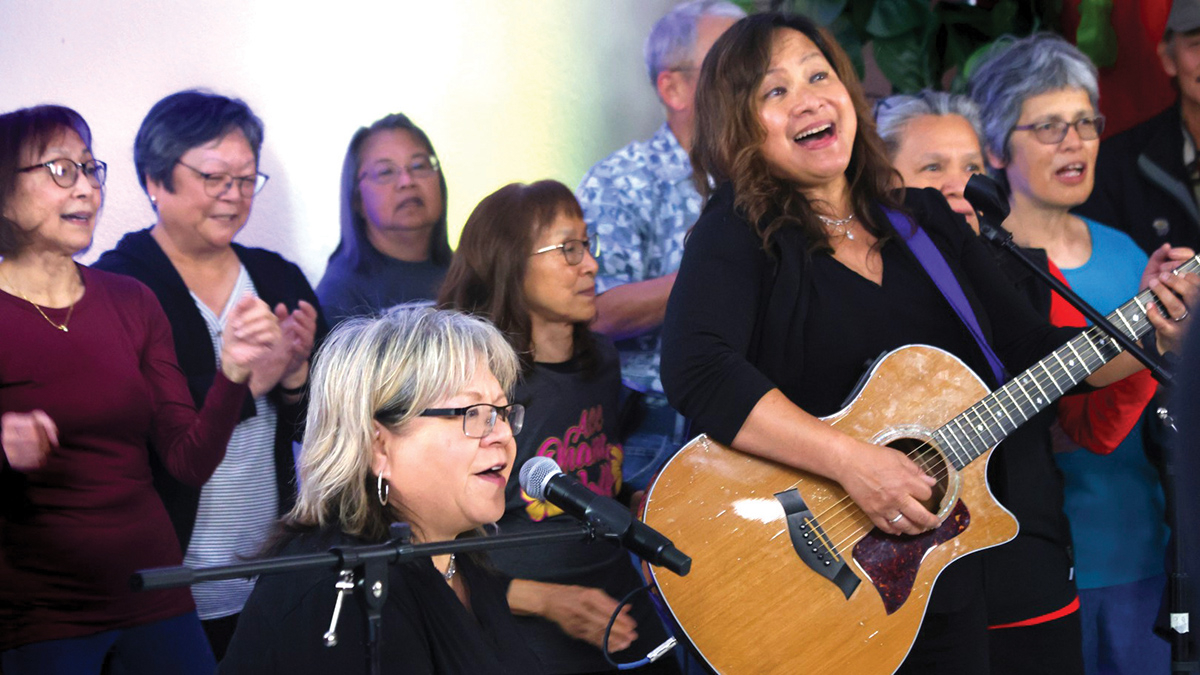
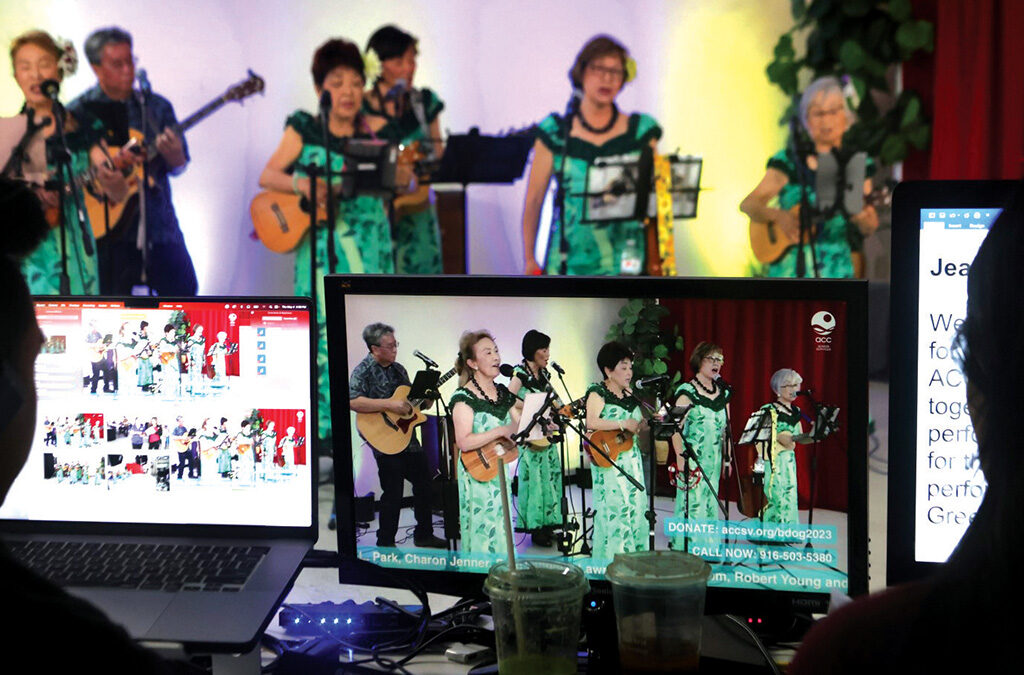
Fostering health and a better quality of life by looking at the whole person, not just their medical diagnoses, but their socio-economic, environmental, and cultural make up, has been a part of ACC’s mission since our earliest days. Our Home and Community-Based programs like Rides Transportation, Senior Employment, Caregiver Support, and Lifelong Learning and Wellness are a testament to that belief.
ACC’s newest programs have a similar underlying logic and value system which targets SDOH. Over this next year, we will be providing mental health assessments and coaching for seniors, expanded opportunities for social engagement and care coordination to reduce isolation; and direct care worker training, career coaching and incentive programs to develop the workforce that helps older adults and their families through the aging process. All these services are designed to help people lead healthy, active and rewarding lives utilizing non-medical interventions.
As we continue this important work and grow our services, we hope to join forces with health plans and providers to marshal our resources in providing value-based care for older adults and their families. We have had some initial meetings with health plans in the Sacramento region which has resulted in a new partnership with Alignment Health. They are now sponsoring field trips for seniors using ACC Rides vehicles, staff and volunteers and capitalizing on the relationships we’ve built with seniors and their families over the years.
Judy Fong signed up for the first field trip to the California State Railroad Museum, and is looking forward to the next one. She encourages others to sign up too. “You gotta get out of the house,” she says, eyes shining as they crinkle into a smile, “because you always learn something!”