No one really knows how or when Tai Chi Chuan (“TCC”) was developed. One theory says that it was created by Chang Sanfeng, a Taoist Monk, around the Yuan and the Ming Dynasty some 600 – 700 years ago. Another theory believes it was created by the Chen Family about 300 years ago by Chen Wanting.
Simplistically, Tai Chi (“TC”) is seen as a form of exercise with slow movements and breathing to relax the mind and body. Tai Chi is really the principle of seeking balance between two opposing forces. As a thought, it has no physical substance to touch or feel. In contrast, TCC is a martial art based on TC principles. As a martial art, it requires power. This is external and can be felt whenever there is contact.
TC and TCC are confusing since they are commonly referred to interchangeably. Are they the same? The answer is no. For clarity, the practice of TCC without the martial is Chi Gong (CG). However, for health purpose, TC and TCC are the same.
Recent evident based researches have shown promising health benefits from Tai Chi.
Some of the benefits are as follows: Increased flexibility, increased strength, better balance, improved immune function, reduced pain, decreased blood pressure, increased brain size, improved memory, reduced stress, increased concentration, increased mental focus, increased sense of inner peace, and a higher level of happiness.
To learn more about Tai Chi and its benefits, attend my “Tai Chi 4 U” class through the ACC Senior Services. It is one of many offerings of Tai Chi here at ACC Senior Services. I offer traditional Tai Chi Chuan training with an emphasis on principles, understanding, and practicality. It is important that you understand what you are doing to obtain maximum benefits. All you need now is to get started and learn.
For the full schedule of Tai Chi offerings, as well as other classes and events, please visit accsv.org/classes
This blog post is provided for educational and informational purposes only and does not constitute providing medical advice or professional services. The information provided should not be used for diagnosing or treating a health problem or disease, and those seeking personal medical advice should consult with a licensed physician. Before beginning any new physical routine, it is best to consult your physician.
Greetings ACC Community and Family! As some of you know, I am a clinician by background, an occupational therapist. I have worked with seniors for my entire career in both treating seniors in long term care and out-patient clinics, and then in management for the majority of time. All along, I have been passionate about the health and well-being of seniors. Helping seniors live the most independent and healthy lives has been extremely important to me. There are many things that we can all do at any age to stay healthy and active, but one that is extraordinarily important for seniors; DRINKING MORE WATER! This is an extremely easy thing to do that will have significant health benefits almost immediately! Starting in June, the staff at ACC are committing to drinking more water and to help those around us drink more water too! We are starting the ACC Hydration Initiative throughout our main campus, Greenhaven Terrace, Maple Tree Village and the Care Center! We have purchased additional water dispensing machines that are easy to find and our staff members will be reminding our community to start “sipping more often”! We are all going to become HYRDRATION HEROES to help directly impact those that we serve in our ACC community and beyond! Some of the benefits of drinking more water include: hydration, increased cognitive clarity, helps to flush out toxins, weight management, joint health, muscle function, energy boosts, improved digestion, and mood enhancement! I believe that this is so important for all of us and I would be remiss to not mention that our elderly become more susceptible to dehydration due to the fact that they lose the ability to feel thirsty. Because of this, ACC staff are committed to become HYDRATION HEROES! Do not be surprised if you are offered a sip of water when you come to visit any of our ACC communities! All of us at ACC are looking forward to making sure that our residents and community stay healthy and hydrated this summer season and throughout the year! Become a HYDRATION HERO with us and drink more water yourselves and help others do so too!
Each May, the Alzheimer’s Association® joins the community in celebrating Asian American and Pacific Islander (AAPI) Heritage Month. Through strong partnerships with local organizations like the ACC Senior Services, the Alzheimer’s Association raises dementia awareness within diverse communities. Dani Lee, program manager at ACC, shares how this collaboration helps her quickly and effectively connect clients to trusted Alzheimer’s disease education and resources while tackling the barriers to diagnosis and treatment that disproportionately affect the AAPI community.
“Working together with other organizations helps the Association reach more people, which is especially needed in the Asian American Pacific Islander community” said Bonnie Rea, a family care specialist for the Alzheimer’s Association. “More than half of Asian Americans believe that memory loss is a normal part of aging and it’s not. By partnering with community organizations like ACC Senior Services we’re able to educate the community, provide resources and hopefully remove some of the stigma surrounding the disease.”
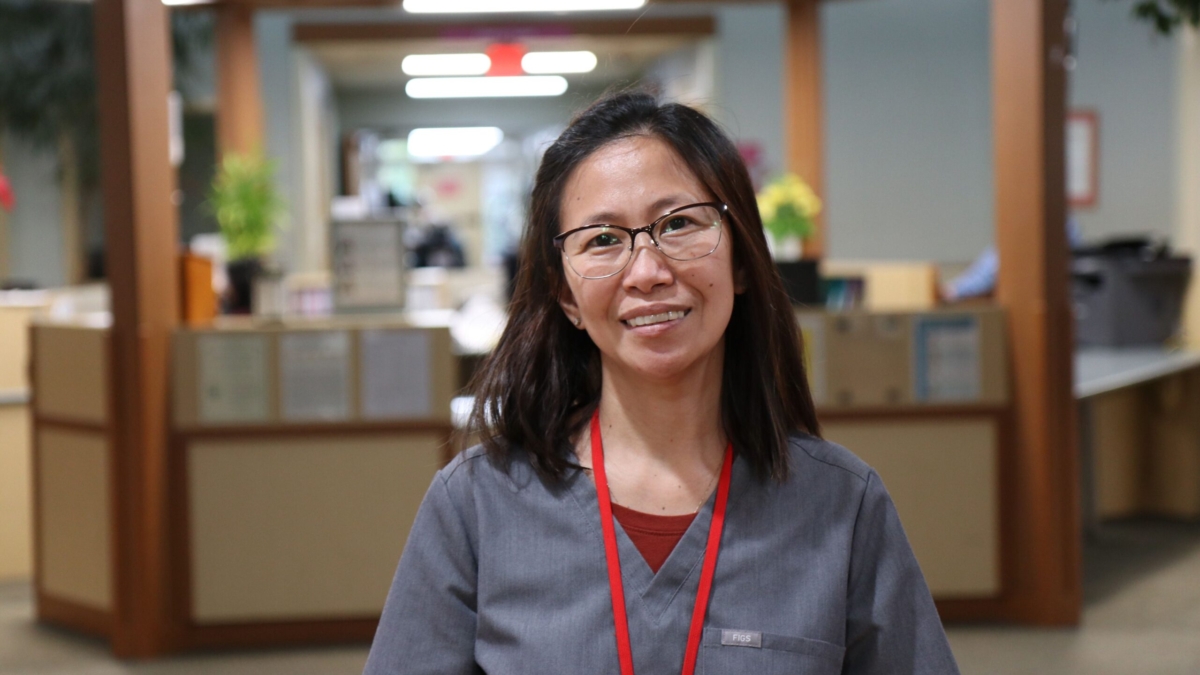
Dani Lee program manager at ACC Senior Services
Serving the community
Dani Lee, Lifelong Learning & Wellness program manager at ACC Senior Services, is passionate about serving the needs of each older adult and family caregiver who walks through the doors looking for support. She is the driving force behind the center’s enrichment activities, helping older adults in Sacramento sustain their independence and lifestyle through educational events, classes, and clubs.
ACC Senior Services, which stands for A Community of Caring, serves older people and caregivers of all backgrounds and abilities. Although it was originally founded to bridge gaps in the availability of culturally sensitive services for older adults within the AAPI community, Dani wants people to know that the community center is open to all members of the public.
Personal connections to dementia
Dani has observed first-hand, the unique ways dementia-related illnesses impact her AAPI clients. Although Asian Americans are less likely to develop Alzheimer’s than other racial groups, they face more challenges accessing care and receiving a diagnosis. According to the Alzheimer’s Association, nearly 88% of Asian Americans report facing barriers to receiving “excellent” dementia care.
Dani’s passion of advocating for people living with dementia extends beyond the clients she serves. As a part of the AAPI community herself, Dani understands how daunting it can be to have difficult conversations about any disease, but dementia in particular. “I think that there is definitely a stigma that people don’t want to know that there’s anything wrong with you,” Dani says. “If you say you have dementia or are depressed, they might think you’re crazy.”
When Dani was younger her “auntie” began showing signs of a dementia. Dani wishes she’d been in a better position during those early stages of her auntie’s illness to help her receive a diagnosis and resources to improve her quality of life.
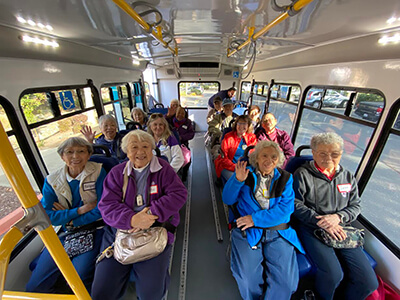
Social hour field trip
Stigma and other barriers facing the AAPI community
Similar trends impact the older adults Dani works with at ACC. Many AAPI families live in multi-generational households, and it’s common for older adults to move in with their adult children as they age. Dani explains that this arrangement makes older adults less likely to talk to their families about medical problems, including memory issues. They fear feeling like a burden to the family.
Dani notices other contradictions within the AAPI community. “They are more willing to take care of others, to take care of children and parents, but then taking care of themselves is very difficult,” Dani explains. “They’re so good at taking care of others, but not themselves.” Clients of ACC hesitate to reach out for help, fearing that once they say they have a dementia diagnosis, they will be seen differently and treated like a patient.
Creating solutions through collaboration, education, and trust
To bridge these gaps, Dani saw a need for additional support for AAPI caregivers and people living with dementia. Partnering with the Alzheimer’s Association was a natural fit to raise awareness, promote early detection, and empower people to seek help and support.
To address these culturally specific needs, ACC Senior Services and the Alzheimer’s Association collaborated to offer the community quarterly education events at ACC. “The Alzheimer’s Association is so widely recognized,” Dani explains. “When you have a trusted organization presenting information about dementia, there is more trust in it, and people appreciate having expert knowledge.”
In 2022, Dani and Bonnie developed Memory Connections, a social engagement program for individuals living with early stages of dementia or Mild Cognitive Impairment (MCI).
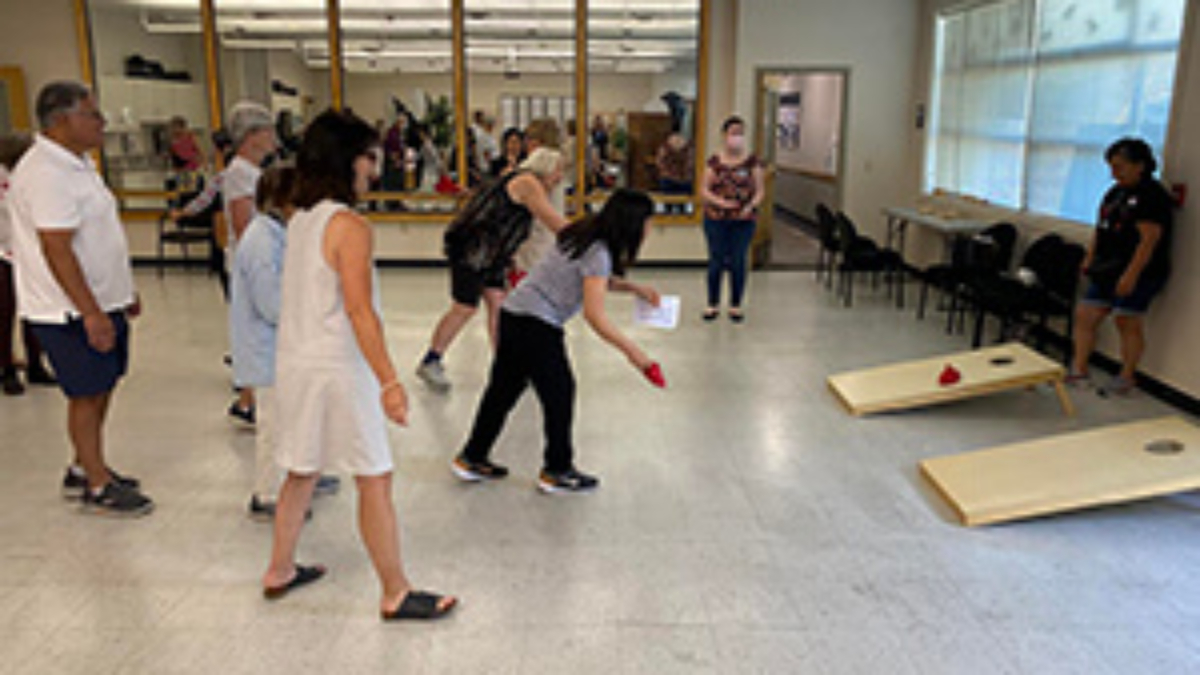
Memory Connection games
Strong relationships increase access to dementia resources
Since she began hosting these mutual events, Dani has noticed an overlap in the clients who utilize the different services provided by both non-profits. “They love to see us work together,” Dani says, and clients benefit from the warm handoffs from referrals made between the organizations. “We like to have that face-to-face connection, so if I ask [the Alzheimer’s Association] for help, I’m not giving [clients] false hope. I know that [the Association is] going to call them back.”
Building strong relationships, between individuals and organizations, is essential for connecting clients with the appropriate resources when they need them. “To make that as easy as possible and as welcoming as possible has been so fulfilling to me,” Dani says. Isolation is a barrier for many older people in the community and the programs Dani manages help bring people together.
Supporting independence and breaking stigma
Community connections also play a role in combating social stigma around dementia. “Having educational presentations with the Alzheimer’s Association gives people the opportunity to learn more without having to announce [their diagnosis] to everyone, and they can still use services on their own.” Education empowers older adults to choose how and when they access help while maintaining their independence.
Dani also encourages clients to bring their families, caregivers, and children to educational events. “We love closing intergenerational gaps whenever possible.” Spreading Alzheimer’s awareness within the larger community promotes early detection and helps fight dementia-related stigmas.
Thriving with trusted partnerships
The ACC offers a variety of services and programs to provide support and assistance to older adults. By partnering with the Alzheimer’s Association to offer dementia-specific resources and education, Dani is empowering her clients and their families to overcome the challenges facing the AAPI community.
“I’m grateful that there’s an organization like Alzheimer’s Association providing education and presenters for free,” Dani closes. “That’s how we keep our program running. Without the Alzheimer’s Association, I don’t know where we’d look for that kind of information. Having staff who are dedicated and trustworthy makes such a difference. We appreciate the partnership we have.”
Asian American and Pacific Islander Heritage Month is a special opportunity to highlight how vital education, awareness, and access to resources are to addressing Alzheimer’s challenges within diverse communities. The Alzheimer’s Association is committed to battling health disparities and providing support to Asian Americans and Pacific Islanders living with dementia all year round. For more information on resources for the AAPI community, please visit alz.org/asianamericans.
For more information on upcoming education opportunities through the Alzheimer’s Association visit alz.org/communityresourcefinder
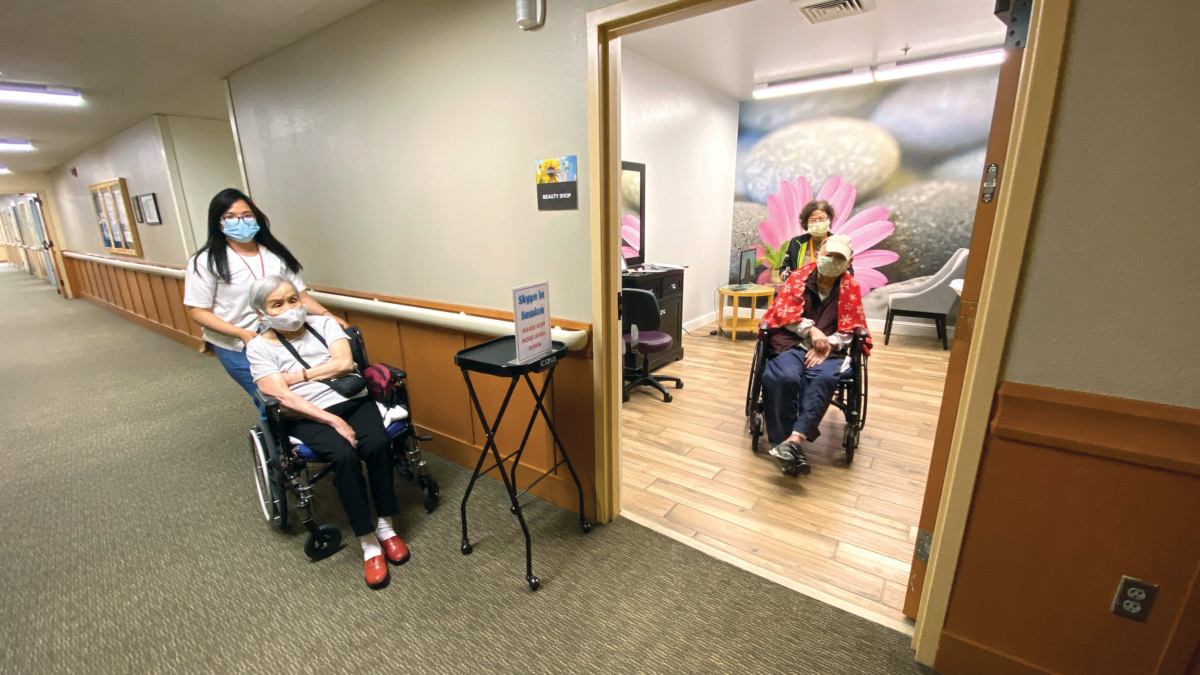
The year 2020 will forever be embedded in our history due to COVID-19 pandemic. Our primary goal during this pandemic is to keep COVID-19 out of our facility.
On April 9, 2020, we learned about an ancillary employee who had tested positive for the virus. That particular employee had not been in the facility since April 2, 2020. We worked diligently with Sacramento County Health Department on contact tracing to mitigate the spread of the virus. Our residents and staff were monitored closely during the two-week period. We were relieved when our staff and residents did not display respiratory symptoms. On May 14 and May 15, 2020, our residents and staff were tested for the virus. All 88 residents and 102 staff tested negative. On May 21, 2020, an additional 28 staff members also tested negative.
We know it is imperative to have widespread testing done. However, we have encountered several challenges procuring an in-house CLIA waivered testing device. Despite being hopeful that we would be considered for the Abbott machine, we were again disappointed to learn that the device was not readily available for skilled nursing facilities. We continue to inquire about SARS CoV-2 testing devices. We recently learned about a device that meets our testing needs. However, it will take a couple of months before we can secure one.
We know that our best defense against our invisible enemy is robust infection control practices: handwashing, cough etiquette and maintaining social distancing. As the focus moves further into the phases of reopening California, we continue to be vigilant in our assessment skills, infection control measures and surveillance monitoring. We are grateful for all the support and personal protective equipment (PPE) donations we have received from our vendors, volunteers, donors and Sacramento County. Having the right tools to fight our invisible enemy makes the war bearable.
As clinicians, we have had to make sure that we are up to date with CDC (Centers for Disease Control), CMS, CDPH and Local Health Department guidelines. We are in a fluid situation, and information continues to change by the minute.
As the administrator of ACC, I can say unequivocally that our staff is the linchpin of our residents’ engagement, our organization’s citizenship, and our heroes. Keeping our residents and staff safe remains our highest priority.